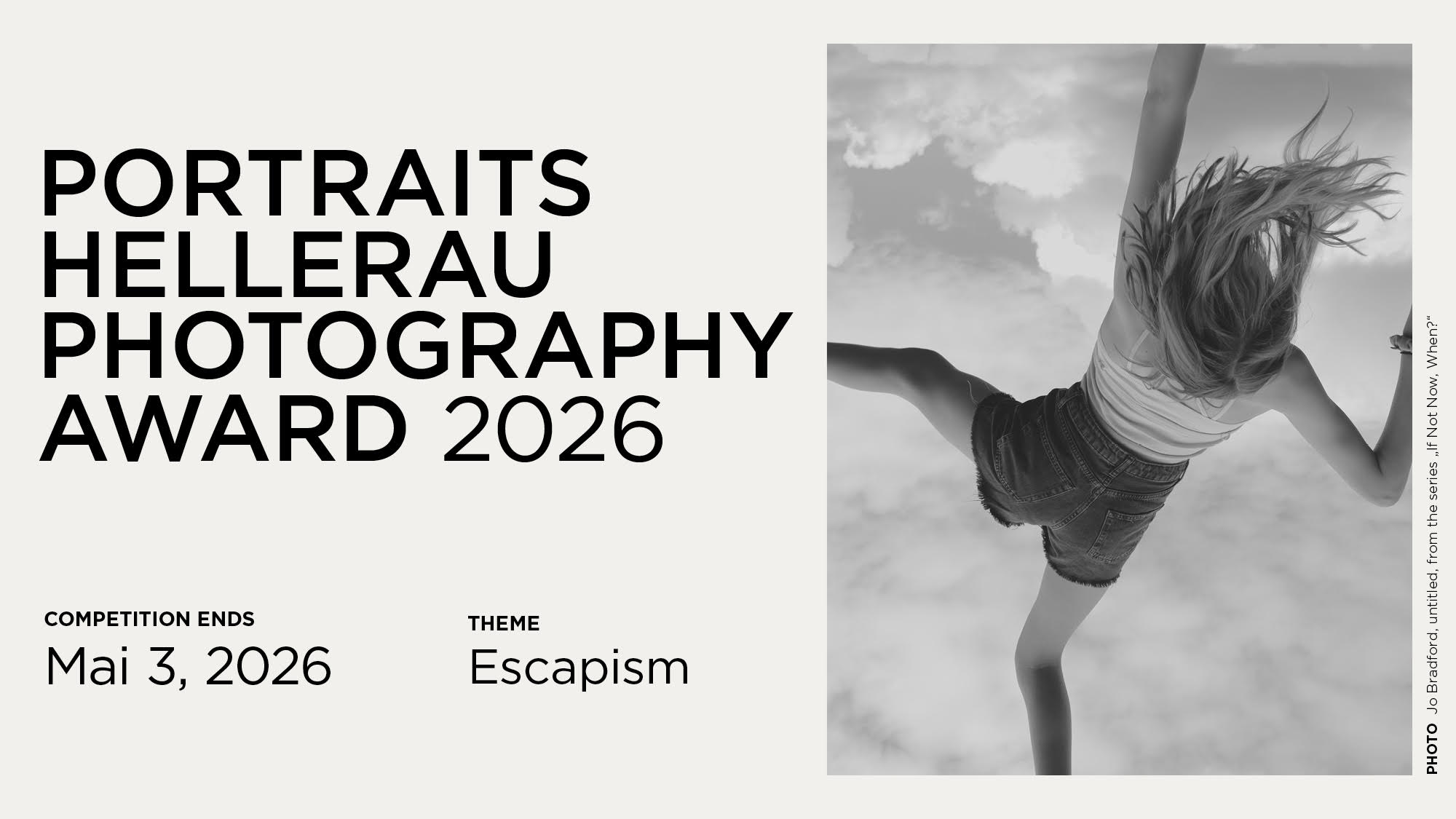
Escapism – World-Making and Visions
Our theme for 2026, Escapism, does not merely describe the act of fleeing uncomfortable situations. It also speaks to the search for alternatives to the dominant realities of everyday life. At its core are images of in-between spaces: imagined worlds, reconfigurations of the self, utopian sequences, or unsettling reflections of reality. Such images articulate a central tension of our time—the longing for different ways of living amid growing social polarization, ecological crises, and total media overload.
In your photographic works, escapism may take many forms: as a reconstructed fantasy world in which reality and fiction merge; as a playfully constructed parallel universe that questions social norms, whether ironically or with earnest intent; or as a surreal space in which identity is transformed through masking, costume, or narrative. Perhaps you reflect on how we might live, love, and coexist once established structures begin to crumble.
Within today’s political and social reality, escapism as a theme feels almost inevitable. It is not a simple act of withdrawal. Rather, it invites us to imagine poetic counter-models to the present: to economic pressure, to all forms of loneliness, to continent-spanning climate and democracy crises. Escapist images can be read as utopian alternatives. How do we want to live? How do we want to work? How might communities be conceived differently than through efficiency, competition, and rising defense budgets?
This understanding of escapism reaches back to the founding idea of the garden city of Hellerau. Established in 1908/09 as Germany’s first garden city, Hellerau emerged from the desire to counter the confinement and harshness of urban industrialization with new concepts of holistic living. In the early twentieth century, its initiators drew on reformist, social-utopian ideas that sought to unite living, working, culture, and nature. They responded to the constraints of the Wilhelmine Empire and the negative consequences of industrialization with a confident vision of the future. Generous green spaces, light-filled architecture, communal areas, and cultural education were to form the core of Hellerau. This was not a romantic retreat, but an avant-garde attempt to answer a profound social crisis. The experimental settlement is considered part of the Lebensreform movement and was explicitly conceived as a progressive counter-model to the social constraints of its time—both in imagery and in program.
This forward-looking spirit is how I also understand our annual theme Escapism. Its connection to Hellerau lies not (only) in the motif of escape, but in the idea of re-creation. As a photographic theme, escapism is the curious exploration of “what if?” scenarios. For works engaging with this year’s theme, Hellerau can serve as a conceptual anti-body: a garden city designed over a century ago as a utopian response to the challenges of its era, now mirroring your own visual worlds of today.
Martin Morgenstern (Founder)
Our 2026 competition has ended. The finalist exhibition with works from 13 countries will open on November 6, 2026. We will keep you updated.
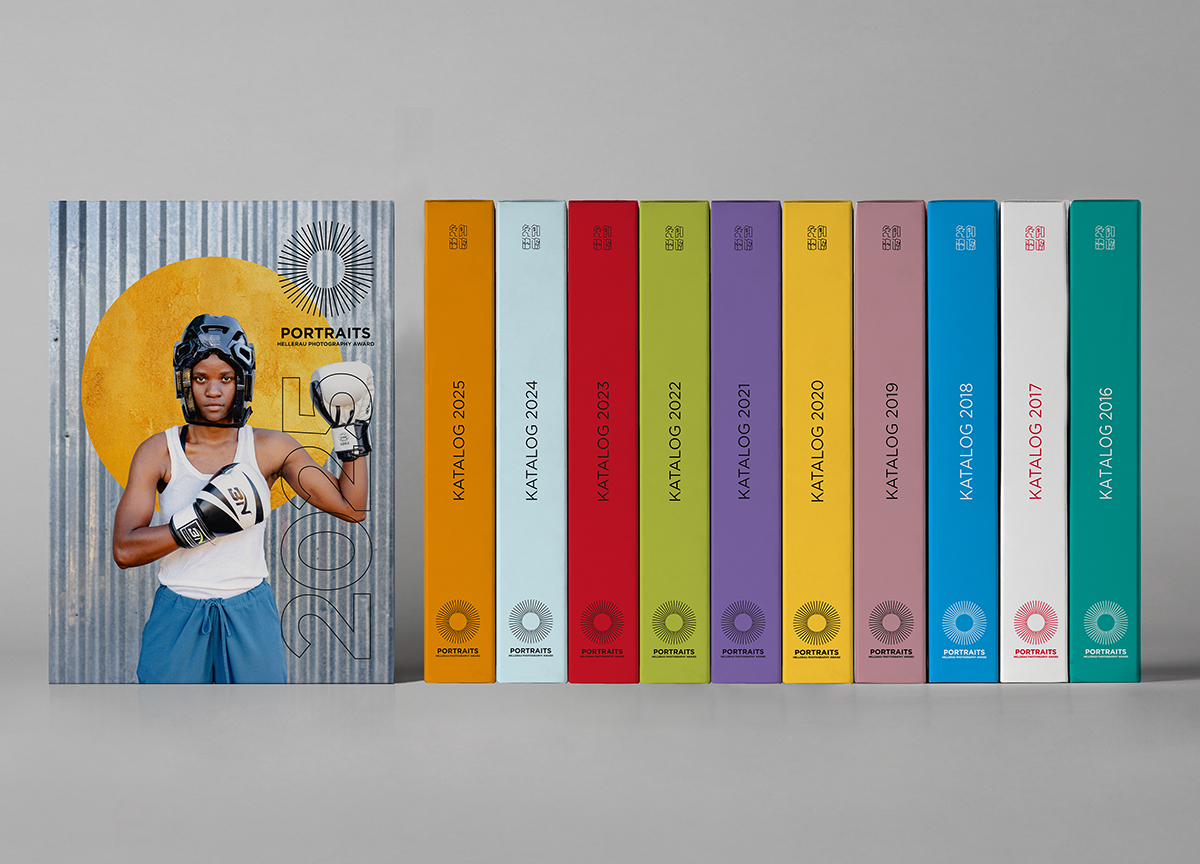
Every year, catalogues with the works of all finalists were published by the Kunstagentur Dresden. Shipping is free worldwide. Order previous editions now!
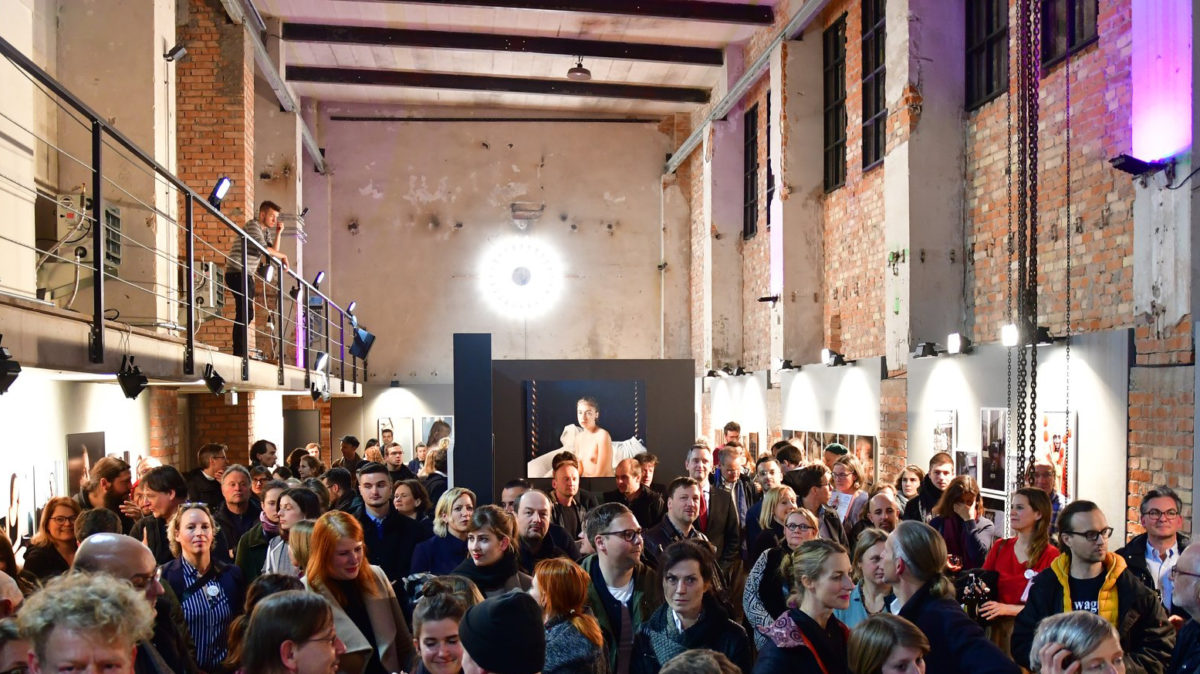 Ute Behrend
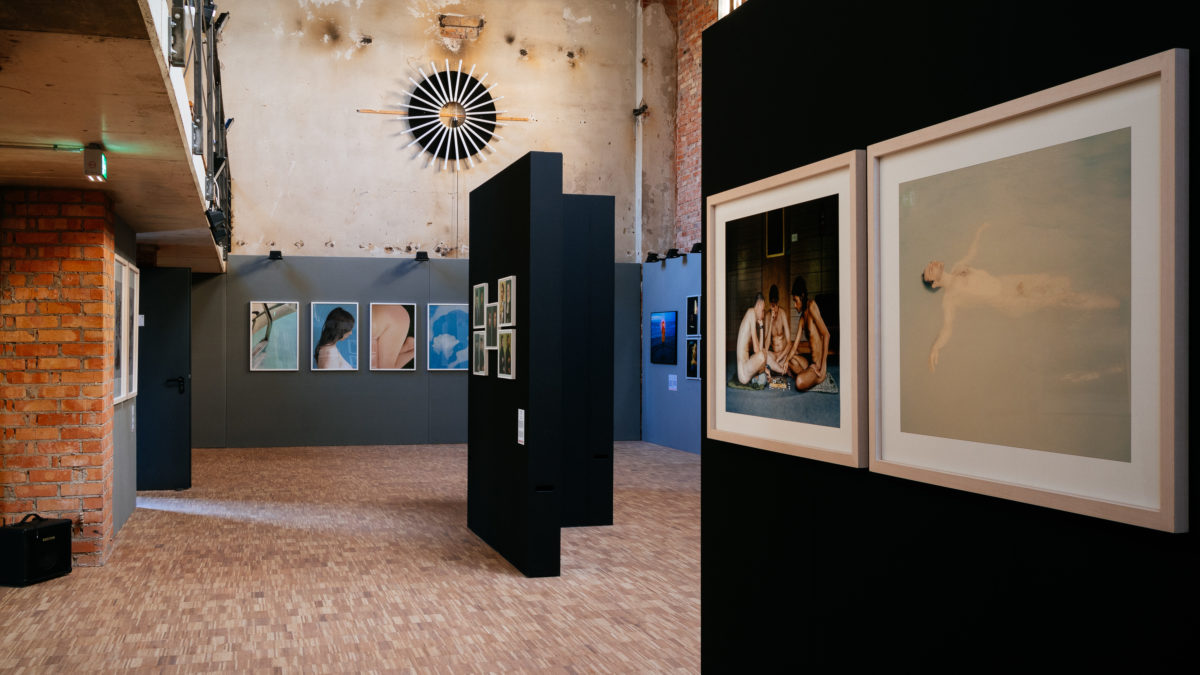 Martin Mulik
Who we are
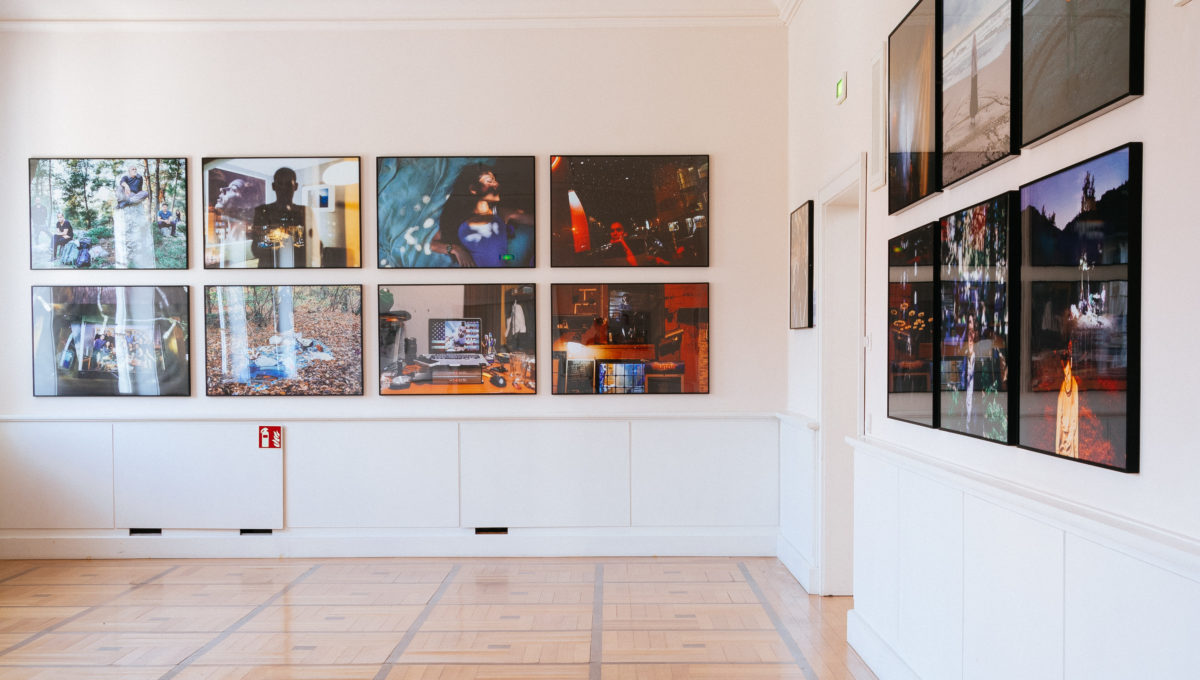
The PORTRAITS – Hellerau Photography Award was created in 2015. Our output so far: fifty exhibitions, and stunning works by over four hundred international artists. In 2025, the finalist show counted more than 50,000 visitors.
 Martin Mulik
International Competition for Portrait Photography
»Surface«, »Counterparts«, »Togetherness«, »Change«, »Presence«, »Uncovered«, »Dignity«, »Singularity« and »Echoes of Truth«: these were the major thematic exhibitions that HELLERAU – European Center for the Arts organized together with Kunstagentur Dresden in recent years.