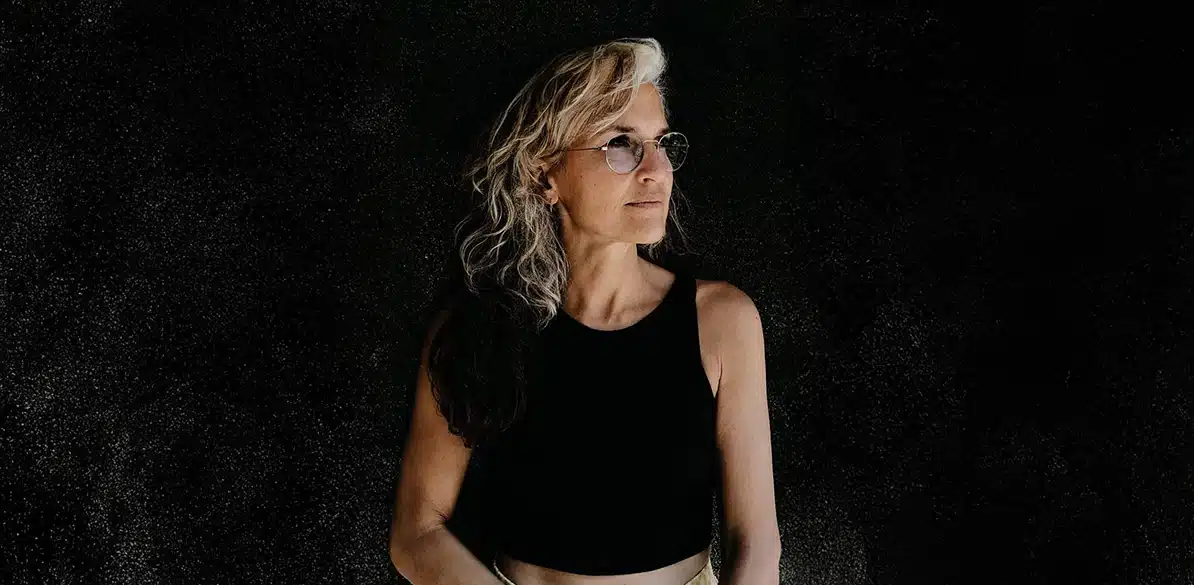
Interview with Gloria Oyarzabal
Interview with
GLORIA OYARZABAL, Spain
1st Prize in 2025
Gloria Oyarzabal is a photographer and visual artist who diversifies her professional activity between cinema, photography, and teaching. Her projects reflect on issues surrounding the construction of the African imaginary, the processes of colonization and decolonization and new strategies of colonialism. A graduate in Fine Arts, Gloria Oyarzabal questions the complex processes of colonization/decolonization and African feminisms, concluding that gender discourses cannot be universalized. Since 1996, she has worked in cinema, taking care of the artistic direction and photography of experimental short films and documentaries.
How did the series come about—what was the trigger/idea behind it?
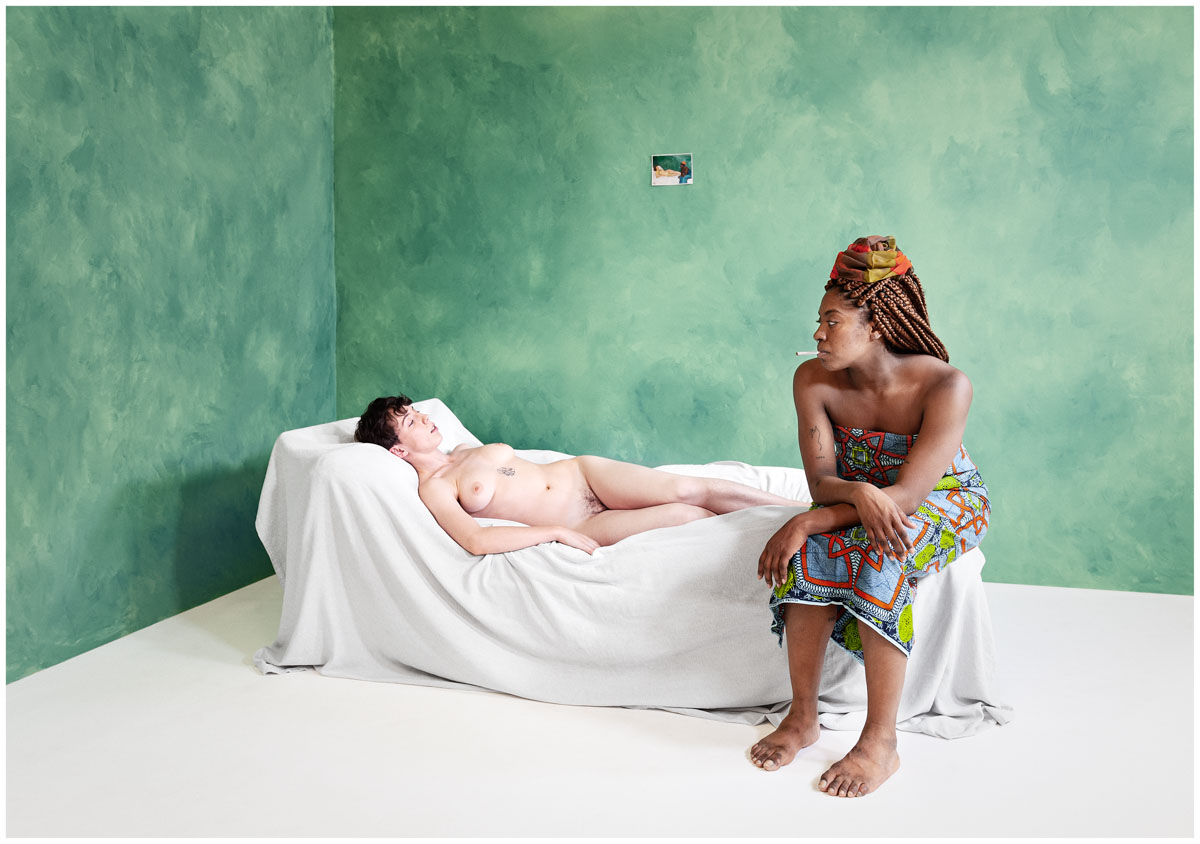
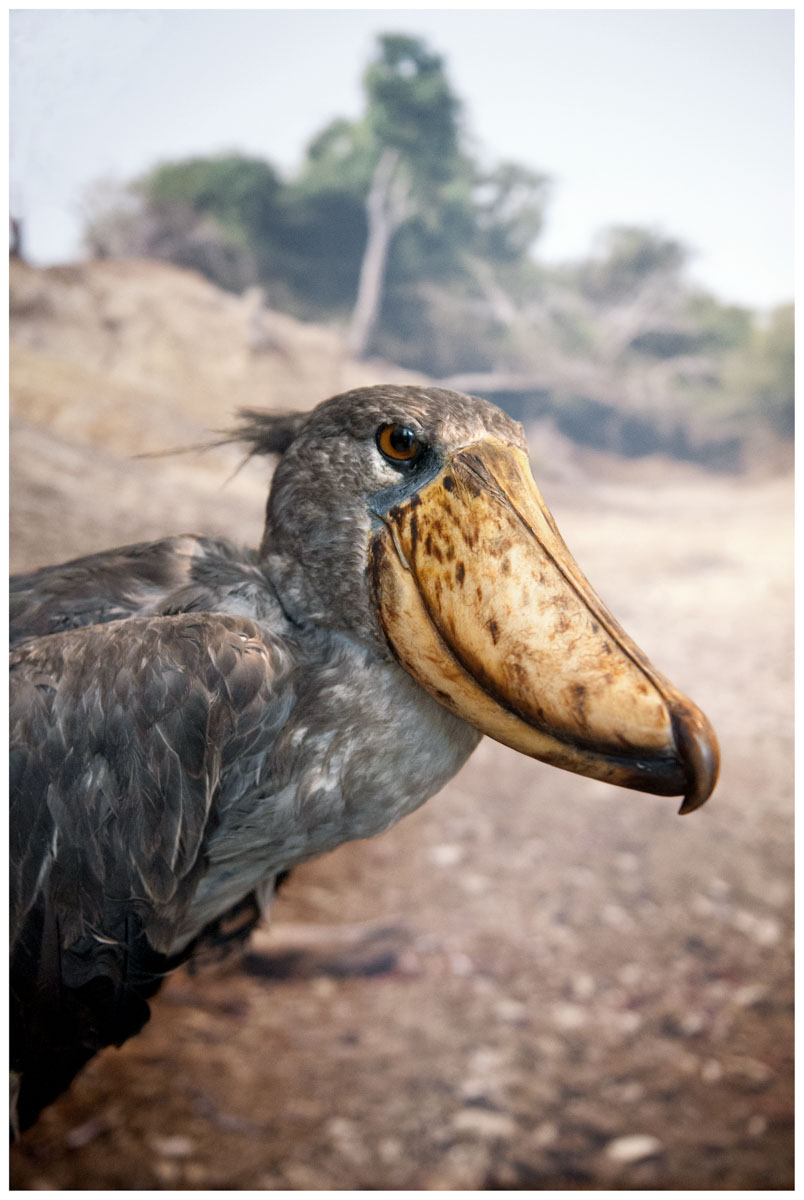
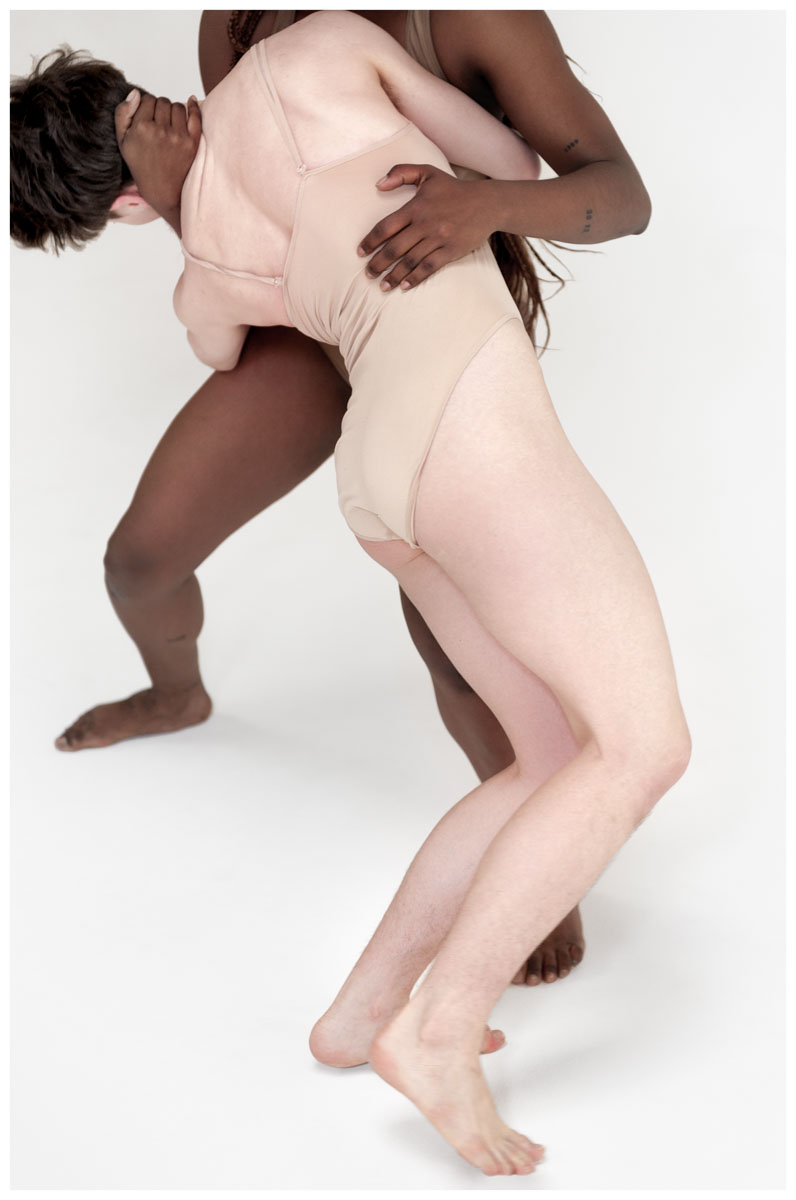
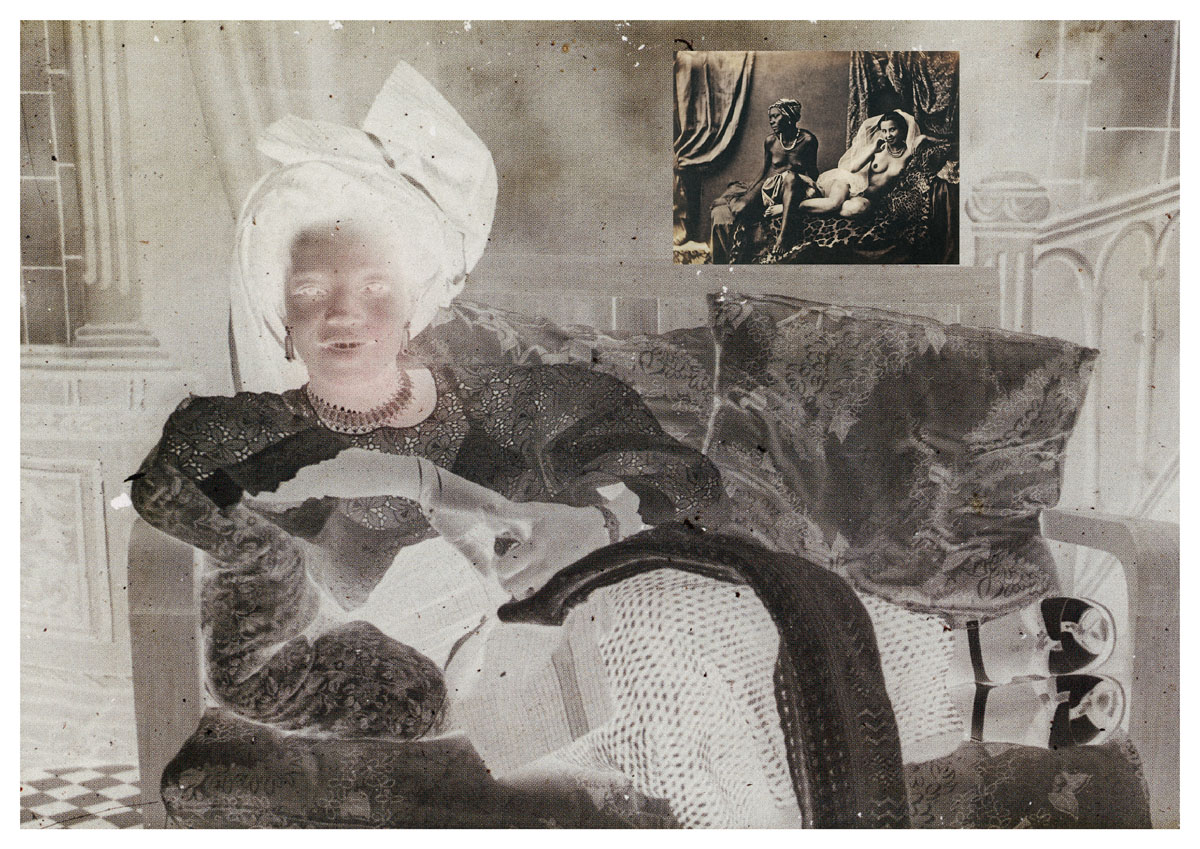
USUS FRUCTUS ABUSUS_LA BLANCHE ET LA NOIRE emerged from reflecting on notions of property linked to the looted objects -and identities- that lay on our museums and mainly in their basements, using the Roman legal triad as a metaphor between human relations— body/object, territory/extractivism, and image/representation. I started to think about it in 2017 while researching on my previous project at the empty, chaotic Lagos National Museum (Nigeria), and -again- my indignation didn’t let me see further. I had to place myself once again in front of the mirror and do a self-questioning exercise. Is the western concept of ‘museum’ universal?
What inspired you in terms of content and/or form?
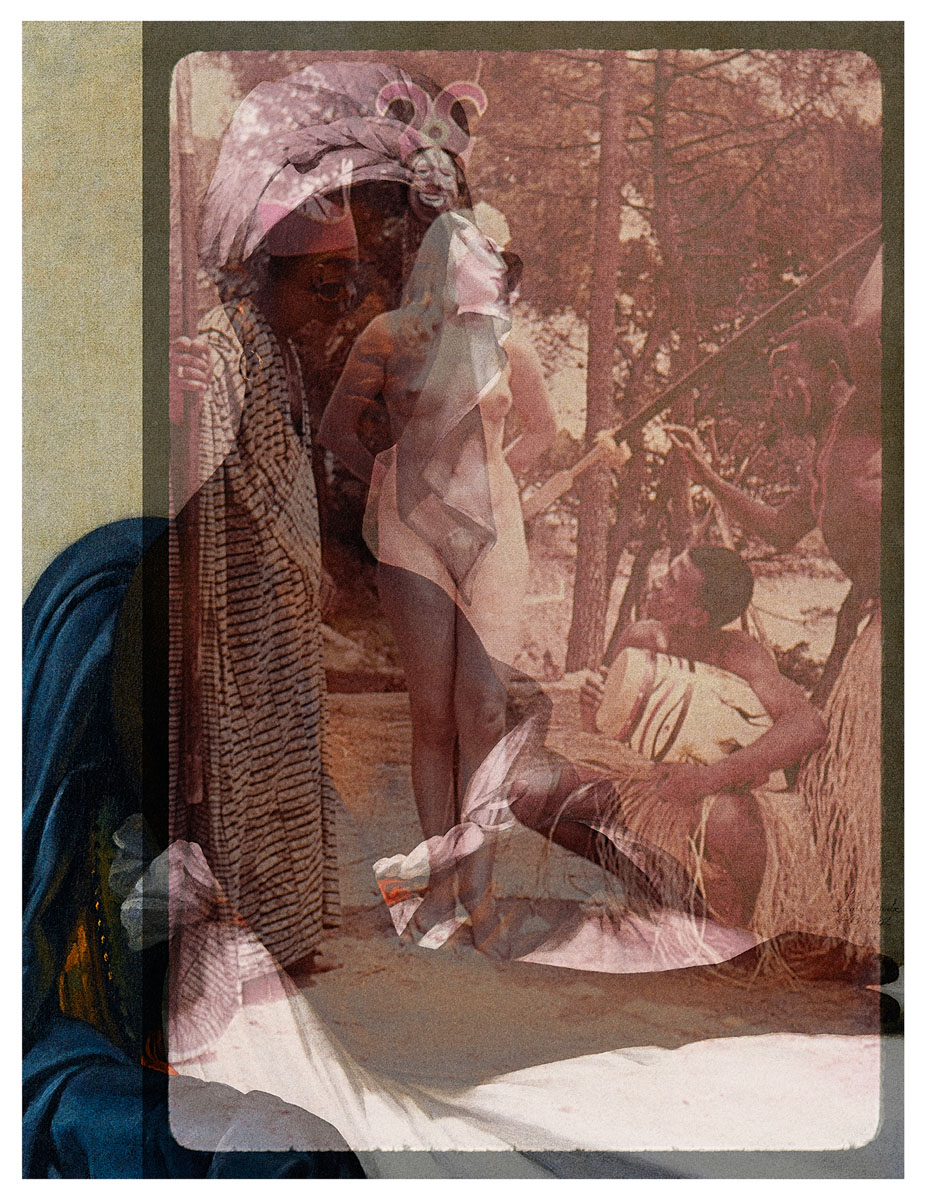
Conceptually I researched around the historical restitution and reparation reclaims, the decolonial initiatives that are getting stronger -and more controversial-, the debates around now-a-days museums, and the representation of the black female body in western art -always servil or sexualized-.To reflect on this I was inspired by Félix Vallotton painting ‘La Blanche et la Noire’,-it really fascinates me!- interpreting it in different versions.I also worked with contemporary dance. My visual language oscillates between devotion and disobedience—images that appear sacred yet fractured, shaping a dialogue between concealment and revelation. I was driven by the tension between cultural inheritance and self-definition, the way memory can be both luminous and violent. Each frame became a small rebellion against fixed narratives of purity and otherness, also questioning the use of colonial archives.
Are there any backgrounds or contexts that are important to you (personal, social, artistic)?
The project is rooted in my approach to the violence implicit in the representation of Otherness, navigating cultural identities and the silent hierarchies they impose. Personally, it stems from self-questioning and a need to understand where my privileges come from. My years living in Mali and everything that has happened to me since then have generated a need for increasingly deep reflection, research, and listening. Basically I keep on inviting the viewer to reflect on the persistence of colonial aesthetics and practices, and how they continue to shape our perception of the body, the territory and the knowledge making. Artistically, I’m influenced by performance and conceptual art practices that question representation, and recently I’m interested in practices that move the center. These layers merge in the work, where my practice becomes a contested space—intimate, political, and human.
What characterizes your photographic style and your way of working?
My practice fluctuates between the personal and intimate, and the more performative and collaborative; as I see photography as a negotiation rather than an act of capture. I often construct settings where the subject’s presence shifts between vulnerability and power. The discourse is a central character in the editing— diptychs build tension, erasing certainty, avoiding the obvious and inviting a playful lecture of the meaning. I value active shooting and deep, slow relation with images I produce. Even though I ususally use digital cameras, I love working analogically or with deliberate pauses to allow gestures to unfold naturally. My images seek to balance precision, tension, tenderness and mystery, translating emotions into tactile, quiet surfaces of time and memory.And at the end, I always question my own practice.
What does the PORTRAITS – HELLERAU Award mean to you?
It was a big WOW!! a true gift!! It’s both an honor and a profound validation of a practice that sometimes is plagued by doubts and fears. It affirms that portraiture remains a space for resistance and tenderness, where visibility can be reimagined. For me, the award extends beyond recognition—it’s an invitation to deepen the dialogue between personal narrative and collective memory. It reinforces the belief that images can still question power structures while celebrating the resilience and complexity of the human gaze. I’m really grateful to the jury and the team of the prize for trusting in what is behind my effort, even more so in these times when there are discourses that go against historical revisions, questioning attitudes, debates, and the distribution of privileges; using censorship and authoritarianism to safeguard supremacist discourses.
What are you currently working on or what’s next?
I finished a filmic extension of USUS FRUCTUS ABUSUS_La Blanche et la Noire’, exploring museums, looting, knowledge making,inheritance, and the transmission of memory through gesture. The project moves between documentary and fiction, tracing how stories are embodied rather than told. A month ago, the Musée Elysée (Lausanne, Switzerland) inaugurated the exhibition ‘Lehnert&Landrock: reinterpreting a colonial archive’, where I have been working for the past year invited to reflect around the colonial archive. I’ve also been finishing a video piece and installation which I produced for the three-year Creative Europe program that I am part of, during my residencies last year at the Nubuke Foundation (Accra, Ghana) and this summer at Museo Egizio (Turin, Italy), based on the idea of the construction and transmission of knowledge. I was recently awarded the Kbr Award from Mapfre Foundation, which gives me the opportunity to work on the second part of my project ‘APPUNTI PER UN’ORESTIADE AFRICANA_a democracy in fatigue’, once again a multi-layered proposal with several intertwined discourses and characters, in which I will investigate over the coming months the biases of the algorithm,- explained in a very summarized way.
Find out more about Gloria Oyarzabal and her award-winning series here: