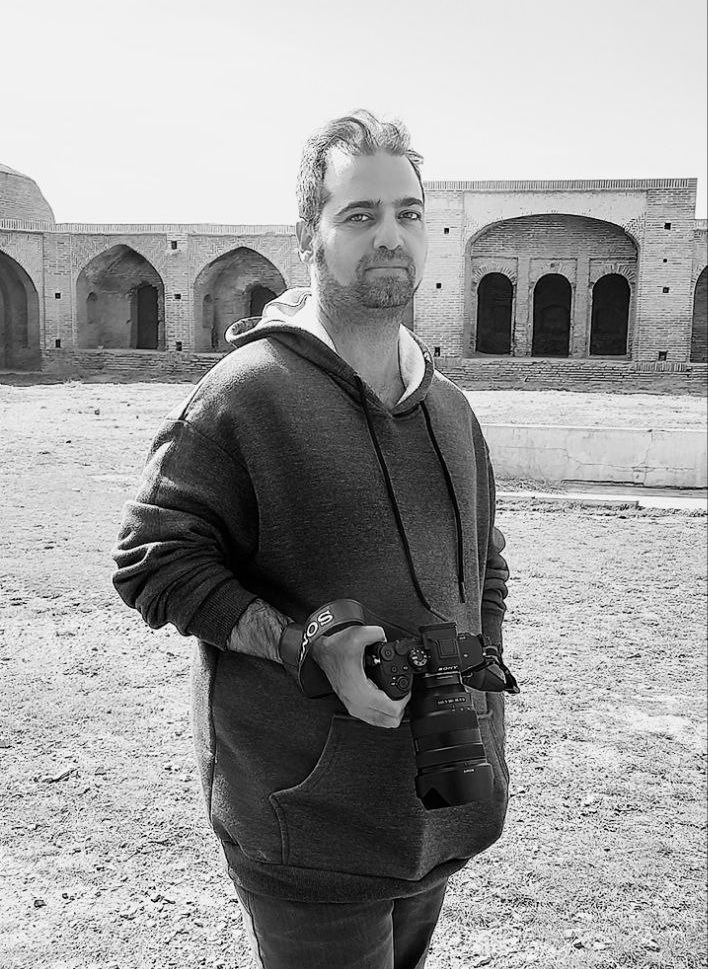
Blog post by Morteza Beiglou
Listening to Silence: A Photographer’s Life in Iran
By Morteza Beiglou, Iran
Photographer and PhD candidate in wisdom of Religious Arts.
My name is Morteza, born in March 1983, and I am currently 43 years old. I live in Karaj, a city near Tehran. I work professionally as an architect and also as a supervisor in architectural design and construction. Alongside this, I am a PhD candidate in Wisdom of Religious Arts in Iran. Architecture provides my livelihood, but photography has always been my inner language and personal necessity.
My journey with photography began in 1997, when I first became familiar with the medium during my studies at an art high school, where I learned photographic printing and darkroom processes. My first camera was a Zenit, and I spent many hours developing and printing images manually. Later, photography became more occasional due to financial limitations, and I often used borrowed cameras.
In 2016, I purchased a Nikon P900, which allowed me to return to photography more seriously. In 2022, I moved to a Sony Sony Alpha A7 IV camera, marking a new phase in my practice.
A turning point in my artistic path came when one of my landscape photographs was selected and featured by the editors of LensCulture in the Art photography section. This moment gave me the belief that international visibility was possible, and encouraged me to continue developing my work with more focus and discipline.
I am deeply drawn to landscapes, especially deserts, forests, and fog. Nature has always been a source of life for me. Even in childhood, I spent most of my time outdoors, playing with soil, water, and trees. I always felt that indoor spaces were too narrow, and that I belonged more to open environments than enclosed structures.
Among all landscapes, the desert holds the strongest spiritual meaning for me. The silence of the desert is unlike anything else. Sitting in the desert feels like a form of meditation; there is almost no sound except the wind. In that silence, I experience a deep sense of presence.
This relationship with nature and stillness became even more important after the loss of my father in 2020 due to COVID-19. That experience deeply transformed my perception of life and art. After this period, practices such as yoga, meditation, and Sama (whirling) became part of my daily life. It also led me to return to academic study and begin my PhD in Philosophy of Art and Religions. For me, philosophy is not abstract theory, but a lived experience that shapes how I see the world.
When I am in nature—especially in deserts or foggy landscapes—I often experience a sense of catharsis and elevation. It feels as if something beyond me and beyond the subject becomes present. I sometimes relate this to what is called the genius loci, the spirit of place. In these moments, photography becomes less about capturing images and more about witnessing presence.
Working as an artist in Iran today requires resilience. Life and artistic practice are often shaped by practical and structural limitations. Internet access is unstable, and communication with international platforms often depends on VPNs and slow connections. During certain periods, access becomes even more restricted, which makes international artistic exchange very difficult. Recent regional conflicts and periods of instability have also affected daily life, increasing uncertainty and making artistic work even more fragile in certain moments.
Financial limitations also play a major role. Due to economic conditions and currency devaluation, photography equipment has become extremely expensive. Many artists cannot easily access or upgrade their tools. In addition, international payment systems are not easily accessible, which makes participation in global opportunities challenging.
Some artistic practices, especially more conceptual or experimental approaches, often remain less visible within formal structures. At times, access to exhibitions and opportunities can depend on networks and connections. I have personally experienced a situation where one of my exhibitions was cancelled due to curatorial concerns regarding visual representation, which made me reflect on how fragile artistic visibility can be in certain contexts.
The Situation of Artists in Iran Today
The situation of artists in Iran today is complex and shaped by multiple pressures—economic, social, and structural. Many artists work independently, often without stable institutional support. Opportunities for exhibitions and visibility exist, but they can be limited, and access sometimes depends on networks, permissions, or institutional frameworks.
Economic challenges affect artists across all disciplines. The rapid decline in the value of the national currency has made artistic tools and materials significantly more expensive. For photographers in particular, equipment costs have increased dramatically, making it difficult for many to maintain or upgrade their gear. This economic pressure often forces artists to balance creative work with unrelated professions in order to survive financially.
Another challenge is related to visibility and artistic freedom. Certain types of artistic expression, especially experimental or conceptual practices, may face limitations within formal exhibition contexts. As a result, many artists continue their work in smaller circles, private spaces, or independent initiatives. This does not mean that creativity is absent—on the contrary, there is a strong and resilient artistic community that continues to create despite uncertainty.
Internet access also plays an important role in shaping artistic communication. Many Iranian artists depend on online platforms to share their work internationally. However, unstable connections, restricted access during sensitive periods, and reliance on VPN services make communication slower and less reliable than in many other parts of the world.
Despite all these challenges, Iranian artists continue to produce meaningful and thoughtful work. There is a strong culture of persistence and adaptation. Many artists develop their practices quietly and patiently, maintaining hope that their work will eventually reach wider audiences beyond local limitations.
Despite these challenges, I continue my work with persistence. On a typical day, I work in architecture, and whenever possible I spend time in nature. Sometimes I carry my camera, and sometimes I simply observe without it. I read, write, watch films, and reflect. These moments form the quiet foundation of my photographic practice.
My artistic vision is rooted in a search for presence, silence, and inner discovery. I aim to translate my personal worldview into images—not as documentation, but as a form of perception and understanding. My work is a continuous attempt to explore how meaning emerges through experience.
Over the years, some of my works have been presented internationally, including Art Photography Award 2021 (selected by editors), Art Room Gallery exhibitions in 2021, and Der Greif platforms such as Past & Present (2023) and Guest Room curated by Lucy Soutter (2021). These experiences encouraged me to continue developing my path as an independent photographer.
Ultimately, photography for me is not only about images, but about listening—to silence, to places, and to the invisible layers of experience that exist between human presence and the world. In silence, I find not emptiness, but meaning—and photography allows me to share that silence with others.
Here’s a little glimpse into the series »Absence«:
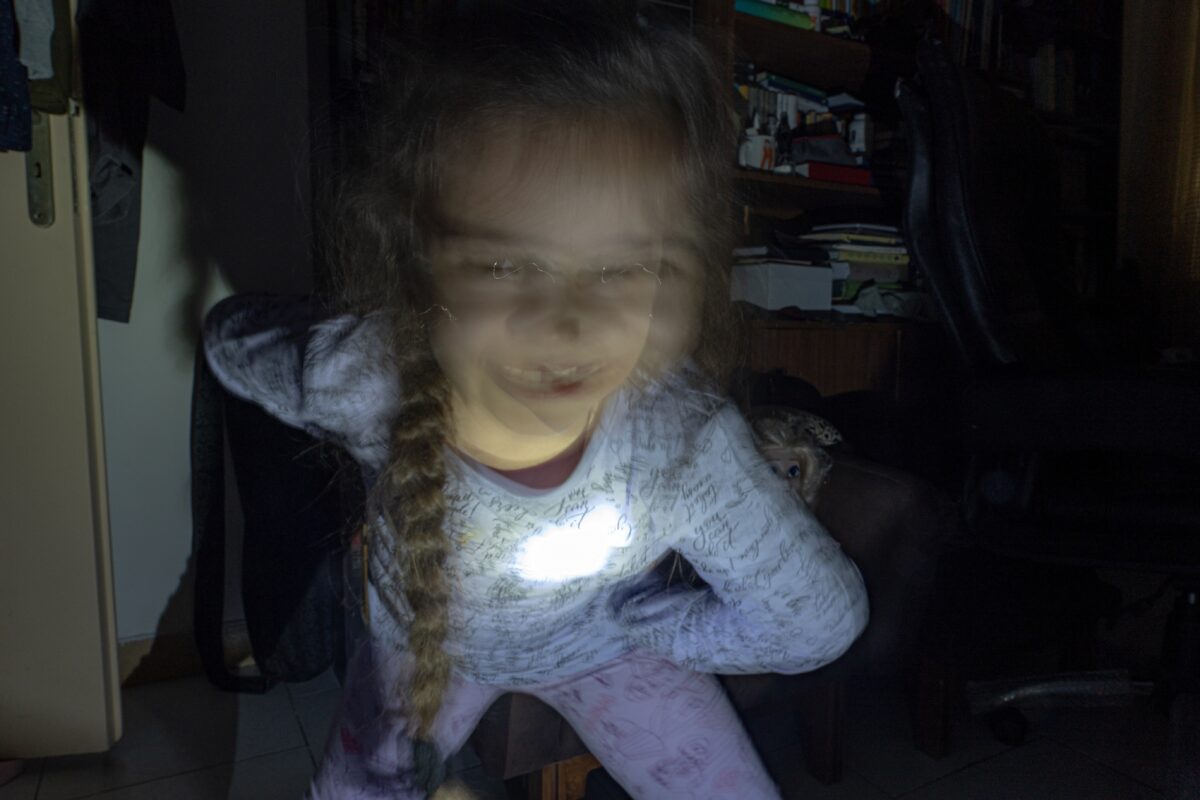
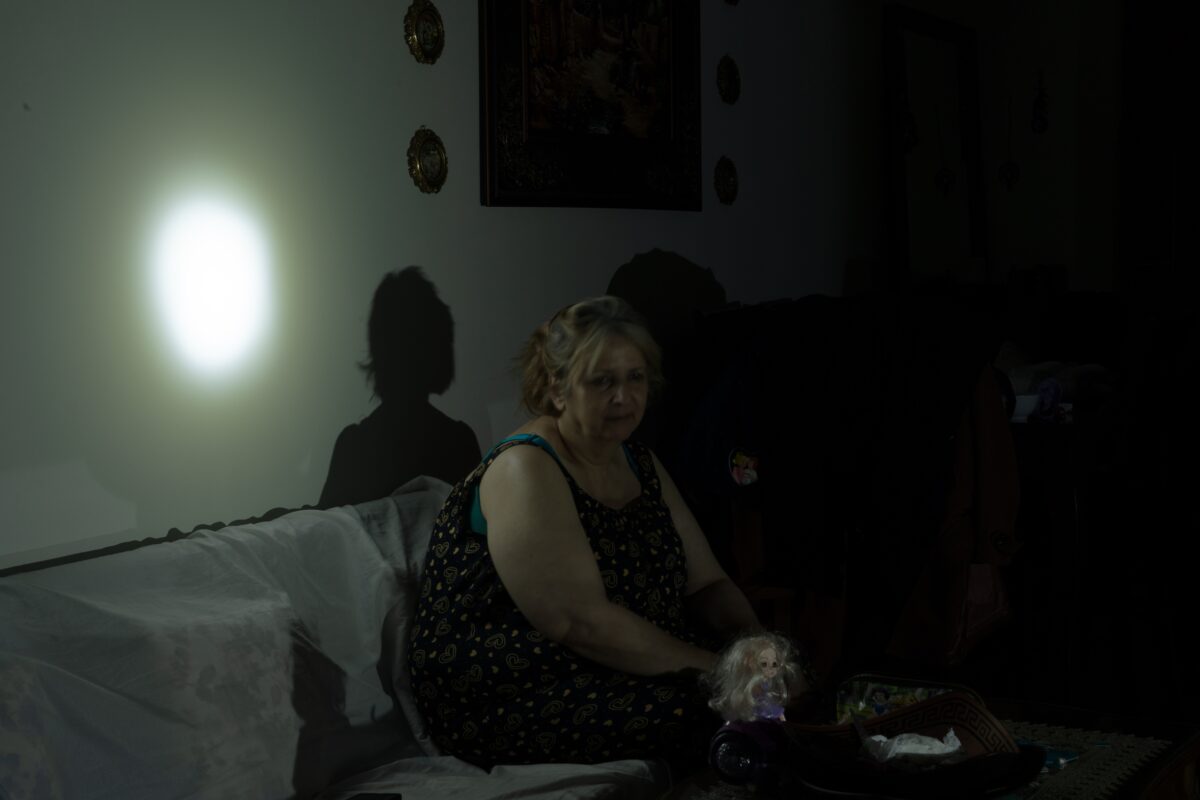
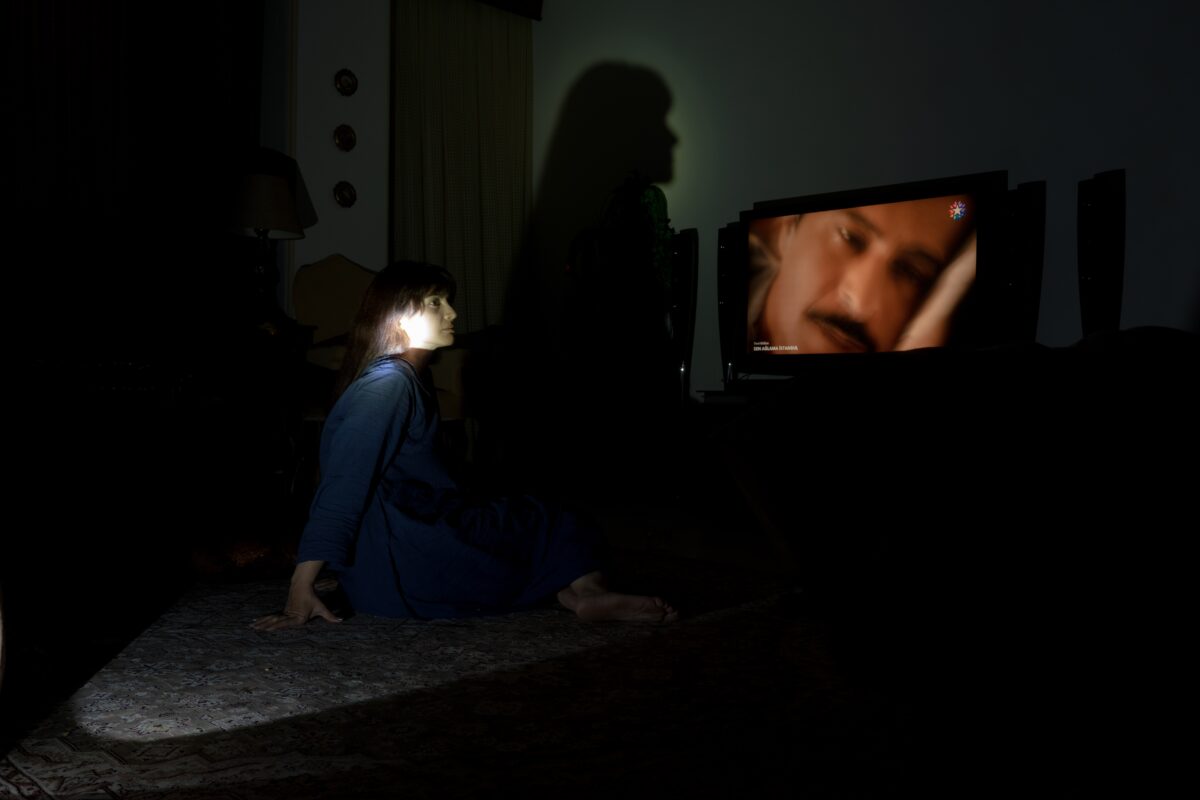
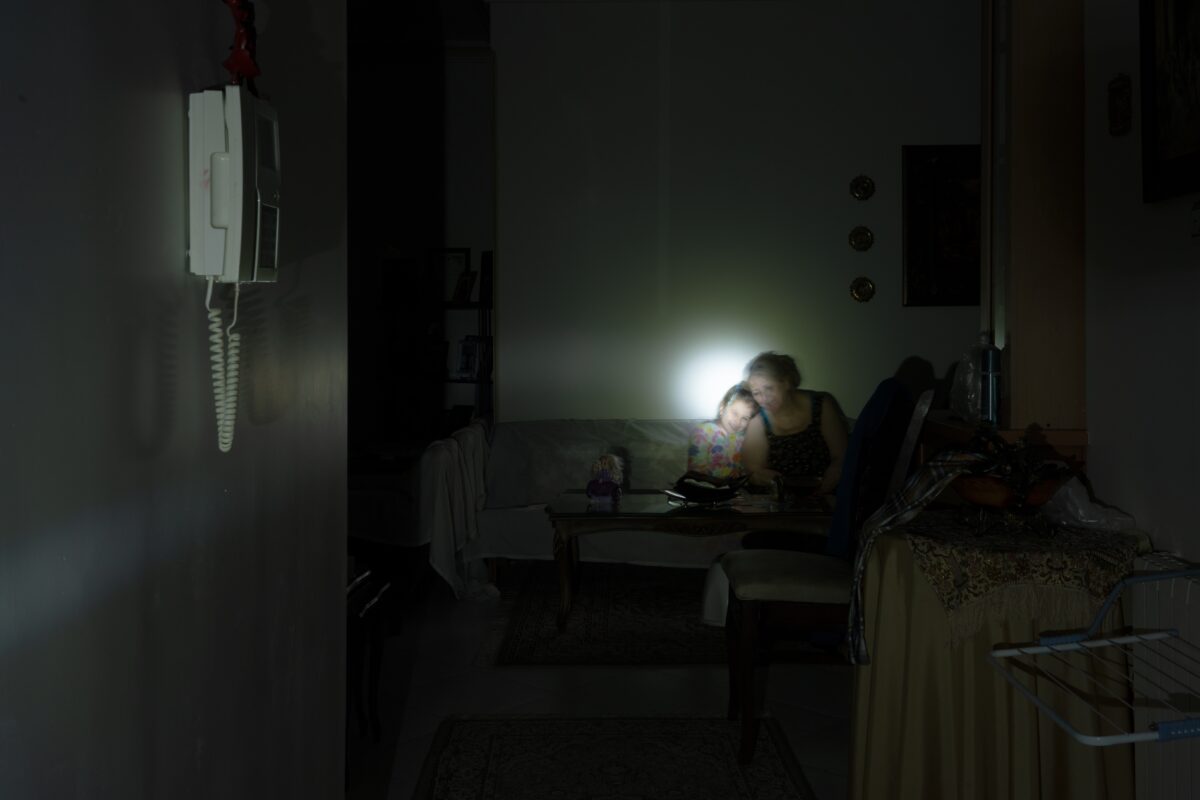
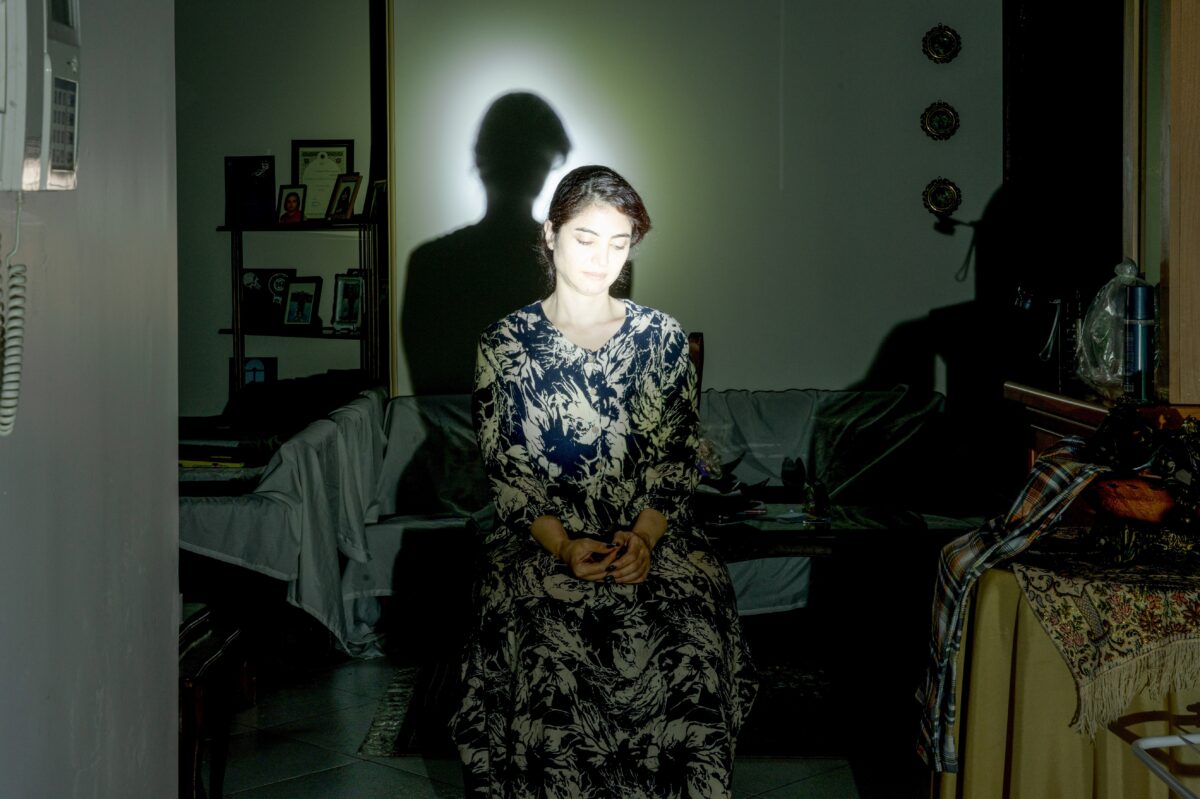
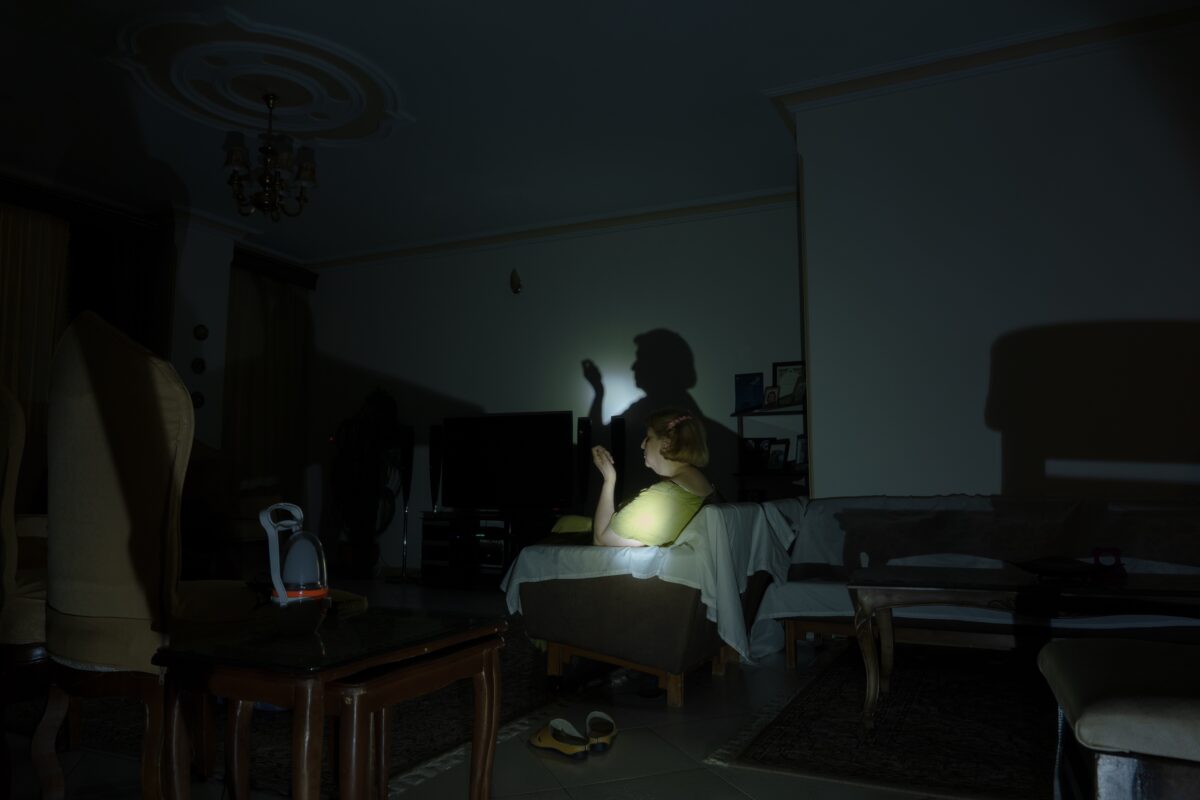
For more information and to view additional works, you may visit the following links or contact him directly via email at m.beiglow@gmail.com.